Finding the Right Minneapolis top Lawn Care Services for Reliable Lawn Maintenance
Finding the Right Minneapolis top Lawn Care Services for Reliable Lawn Maintenance
Blog Article
Thorough grass care offerings for a luxuriant, emerald Yard
Thorough turf maintenance options serve an important function in developing a vibrant, healthy yard. Standard practices including lawn cutting, aeration, and fertilization promote vigorous turf expansion while reducing weeds and pests. Recognizing soil health is equally significant, since it determines nutrient intake. Property owners often struggle in upkeeping their lawns. The appropriate techniques can produce meaningful results, producing a lush landscape that boosts property value. How do you find the critical steps to ensure success?
Key Grass Maintenance Services for Optimal Development
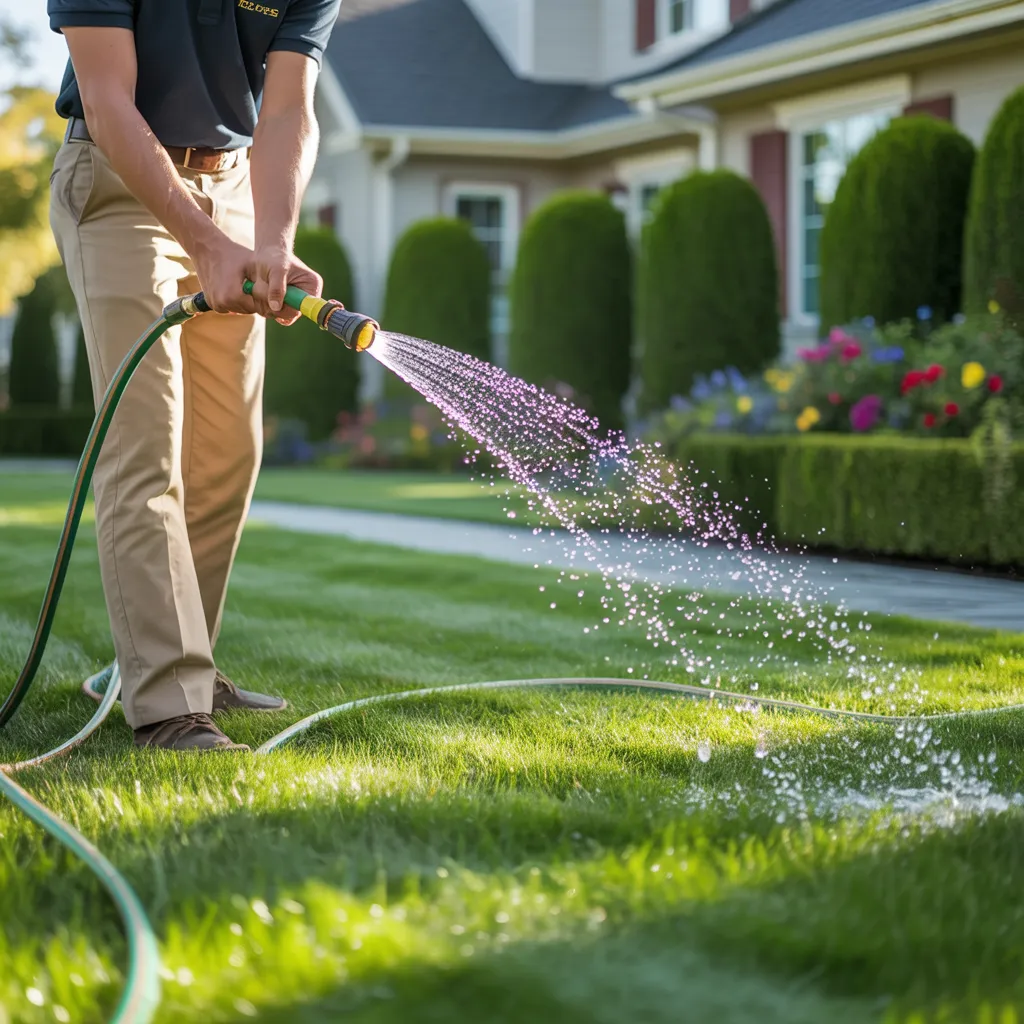
Key yard maintenance services play an crucial role in promoting optimal growth for any yard. These services encompass a variety of practices that ensure the health and vigor of the grass. Regular mowing is critical, as it encourages even growth while preventing weeds from establishing. Aeration is another essential service, allowing air, water, and nutrients to enter the soil, fostering deeper root development. Fertilization provides important nutrients that boost growth and enhance color, resulting in a lush appearance. Weed control is just as vital, as it protects the lawn from unwanted plants that vie for resources. Additionally, proper irrigation practices, including scheduling and monitoring, ensure that the lawn receives adequate moisture without overwatering. Together, these key useful information lawn care services form an environment where grass can thrive, in the end resulting in a vibrant and healthy yard. Maintaining these practices regularly can greatly enhance the overall aesthetics and functionality of outdoor spaces.
Why Healthy Soil Is Critical to Your Lawn's Thriving
Soil condition serves as the core for a robust lawn, influencing everything from nutrient access through water retention. Healthy soil contains organic matter, which helps preserve water and provides vital elements to support grass growth. Correct soil acidity proves important, since it affects how well the grass can take in these nutrients. In addition, beneficial microorganisms found in rich soil support nutrient circulation and improve soil structure, leading to enhanced oxygen flow plus water movement.
In contrast, poor soil health can trigger dense, nutrient-poor conditions that restrict grass growth. Weeds and pests can excel in compromised soil, contending with grass for resources. Periodic soil monitoring and adjustments can help copyright ideal conditions. Ultimately, focusing on soil strength is necessary for a full, vibrant lawn, as it creates a robust ecosystem that maintains strong vegetation and lessens the need for chemical interventions.
How to Opt for the Best Fertilization Strategy
Fertilization functions as a vital factor in keeping a vibrant lawn, chiefly after building a solid soil foundation. Determining the right fertilizer plan involves you initially assess the specific nutrient needs indicated by soil tests. Grasping the primary nutrients—nitrogen, phosphorus, and potassium—helps in choosing the appropriate fertilizer type. For instance, nitrogen encourages growth, phosphorus facilitates root development, and potassium strengthens overall resilience.
Correct timing is likewise important; using fertilizer when grass is actively growing can maximize absorption. Moreover, selecting the appropriate grass type is necessary, as each grass species needs distinct nutrients. Gradual-release fertilizers supply sustained nourishment, while quick-release options offer immediate benefits.
In conclusion, weather factors such as rainfall and temperature should inform feeding rates and schedules. By keeping these factors in mind, homeowners can construct a tailored fertilization strategy that fosters a lush, green lawn while promoting persistent wellness and resilience.
Lawn Care: Efficient Pest Management Methods
Successful pest control is essential for maintaining a healthy lawn. Integrated Pest Management (IPM) approaches offer a holistic approach, combining multiple techniques to manage pests while minimizing ecological harm. Additionally, organic pest control methods provide eco-friendly alternatives that can be equally effective in safeguarding lawns from harmful insects.
Integrated Insect Control Plans
Integrated Pest Management (IPM) techniques deliver a holistic strategy to keeping healthy lawns while minimizing ecological impact. This approach underscores the importance of monitoring pest levels and learning about their growth patterns. By identifying pests correctly, lawn care specialists can implement focused interventions rather than widespread treatments. Cultural methods, including appropriate watering and cutting techniques, serve an essential role in preventing pest challenges. Furthermore, supporting beneficial organisms, such as predatory insects, may aid in regulating pest levels biologically. Regular review and adaptation of approaches ensure the lawn continues to be strong against insect invasions
Natural Bug Management Strategies
Grounded in the tenets of Integrated Pest Management, nature-based pest control strategies provide a long-term framework to regulating lawn pests without synthetic chemicals. These techniques underscore the use of natural materials and biological agents to prevent harmful insects. For instance, beneficial insects like ladybugs and lacewings can be introduced to control aphid populations. Additionally, natural repellents such as neem oil and diatomaceous earth are potent alternatives to traditional pesticides. Regularly monitoring pest populations and promoting healthy soil through composting further enhance lawn resilience. By focusing on ecological balance, organic pest control not only protects the lawn but also supports local biodiversity, creating a vibrant and thriving environment. This holistic approach aligns with growing consumer preferences for environmentally friendly lawn care solutions.
The Benefits of Aeration and Overseeding for Your Lawn Care
Aeration and overseeding form essential factors in revitalizing a turf, enhancing its wellness and visual quality. Aeration includes creating holes the soil with perforations to minimize compaction, facilitating air, water, and nutrients to access deeper roots. This method promotes stronger root systems and enhances overall soil quality. By supporting better absorption, aeration helps the grass succeed, chiefly in high-traffic areas.
Overseeding enhances aeration by introducing new grass seed to the current turf. This method covers bare patches and promotes thicker, healthier growth. It also assists in strengthening the lawn's resistance to pests and diseases. The combination of aeration and overseeding creates optimal circumstances for seed germination, producing a lush, green yard.
Collectively, these approaches not only strengthen the decorative value of a lawn but also enable its long-term sustainability, establishing them indispensable parts of effective lawn care services.
Seasonal Guidance for a Vibrant Lawn Year-Round
To sustain a lively lawn throughout the year, targeted seasonal tactics are vital. In spring, effective fertilization can boost healthy growth, while fall aeration techniques help condition the grass for winter. Learning these practices assures a lush lawn regardless of the season.
Spring Feeding Approaches
A well-timed spring fertilization plan can markedly enhance the vitality and appearance of a lawn throughout the year. As temperatures rise and grass starts growing, applying a evenly mixed fertilizer rich in nitrogen, phosphorus, and potassium can provide essential nutrients. Timing is crucial; fertilization should take place after the last frost when grass is actively growing. This promotes robust root development and lively green blades. Additionally, selecting slow-release formulations can ensure nutrients are delivered over an prolonged period, promoting sustained growth. It is essential to follow the manufacturer’s recommendations for dosages and frequency to prevent over-fertilization, which can damage the lawn and the environment. Proper watering after fertilization further aids nutrient absorption, laying the foundation for a healthy lawn.
Autumn Aeration Approaches
Restoring a lawn in the fall typically involves implementing proven aeration techniques. Aeration is critical for strengthening soil condition and encouraging strong root development. This technique involves puncturing the earth with tiny openings to reduce compaction, allowing air, water, and nutrients to reach deeper levels. The optimal time for fall aeration is when the grass is growing actively, typically between September and October. Homeowners can select between core aeration, which extracts plugs of soil, and hole creation, which merely forms holes. After aeration, applying nutrient-rich plant food can further enhance healing and flourishing. Consistent fall aeration not only strengthens lawn durability but also readies it for the winter months, guaranteeing a green and lush yard come spring.
Advantages of Contracting Professional Lawn Care Services
Engaging professional lawn care specialists transforms outdoor spaces into lush, vibrant landscapes. These experts deliver professional expertise and specialized skill, assuring that lawns get individualized care matched to unique lawn requirements. Lawn care expertise typically comprise fertilization, pest control, and weed management, all of which improve a healthier lawn.
Furthermore, these services often employ sophisticated technology, delivering results that may be difficult for homeowners using standard tools. Time savings are another essential benefit; by outsourcing lawn care tasks, homeowners can focus on other priorities while preserving a beautiful yard.
Additionally, experts remain current on the latest lawn care developments and environmentally friendly practices, promoting sustainability. Routine upkeep delivered by experts can enhance the overall appearance and worth of a property. In summary, engaging professional lawn care services not only boosts the appearance of exterior areas but also ensures efficient, efficient, and eco-friendly lawn management.
Frequently Asked Inquiries
How Regularly Should I Cut My Lawn for Best Results?
Specialists suggest trimming the lawn one time each week during the active growing season. This schedule supports healthy development while avoiding grass from becoming overly tall, maintaining a neat finish and reducing the probability of pests and disease.
Determining the Best Time of Year for Grass Maintenance?
The optimal season for lawn care generally occurs during spring and early fall. During these seasons, grass thrives actively, allowing for perfect fertilization, aeration, and overseeding, ensuring a vibrant, green turf.
Would I Conduct Lawn Care Myself or Delegate to Professionals?
People can decide to do lawn care independently or hire professionals, depending on their experience, schedule flexibility, and expected results. DIY provides financial savings, while professionals provide expert knowledge and effective service for excellent results.
In What Ways Do Weather Conditions Affect Your Lawn Care Practices?
Weather factors greatly affect lawn care practices. Rain can encourage growth, while drought requires more frequent watering. Temperature variations influence mowing schedules, and seasonal changes determine fertilization timing, requiring adaptability for ideal lawn health.
What Are Typical Mistakes to Avoid in Grass Maintenance?
Standard mistakes in turf maintenance encompass watering too much, improper mowing heights, neglecting soil health, selecting wrong fertilizer types, and disregarding pest management. Education and appropriate methods can markedly improve the health and appearance of the lawn.
Report this page